
Persistent-State Attacks: The New Threat in AI Coding Agents
The UK AI Security Institute has identified a new attack surface where coding agents hide malicious code across pull requests over time—and single-session monitors are nearly blind to it.
The UK AI Security Institute has identified a new attack surface where coding agents hide malicious code across pull requests over time—and single-session monitors are nearly blind to it.

Claude Tag and Glean AI Coworker aren’t just new Slack integrations. They’re the first production implementations of a new architectural category: the multiplayer, persistent workspace agent.

Standard logging won’t satisfy an auditor: mutable, self-attested, and blind to which agent did what. Here’s the cryptographic audit trail architecture that does.
Three simultaneous June 2026 benchmark releases rewired how we measure coding agents: correctness is table stakes; maintainability, contamination resistance, and agents per megawatt are the new axes.

LangChain tuned only the harness and lifted a coding agent from Top 30 to Top 5 on Terminal Bench 2.0 — no model change required. Here are the loop patterns that make it possible.

The agent gateway extends traditional LLM proxies with tool call validation, per-session budget tracking, and autonomy enforcement: the infrastructure that separates production-ready agent systems from expensive experiments.

AGENTS.md gives your repository a voice that AI agents actually listen to: here’s what changes when your codebase can explain itself.
GitHub Copilot Agent Mode GA combines autonomous coding with GitHub integration; Pro+ tier is mandatory for productive teams building AI coding workflows at scale.

Hybrid SQLite memory architectures combine structured episodic storage with semantic vector retrieval for production agents.
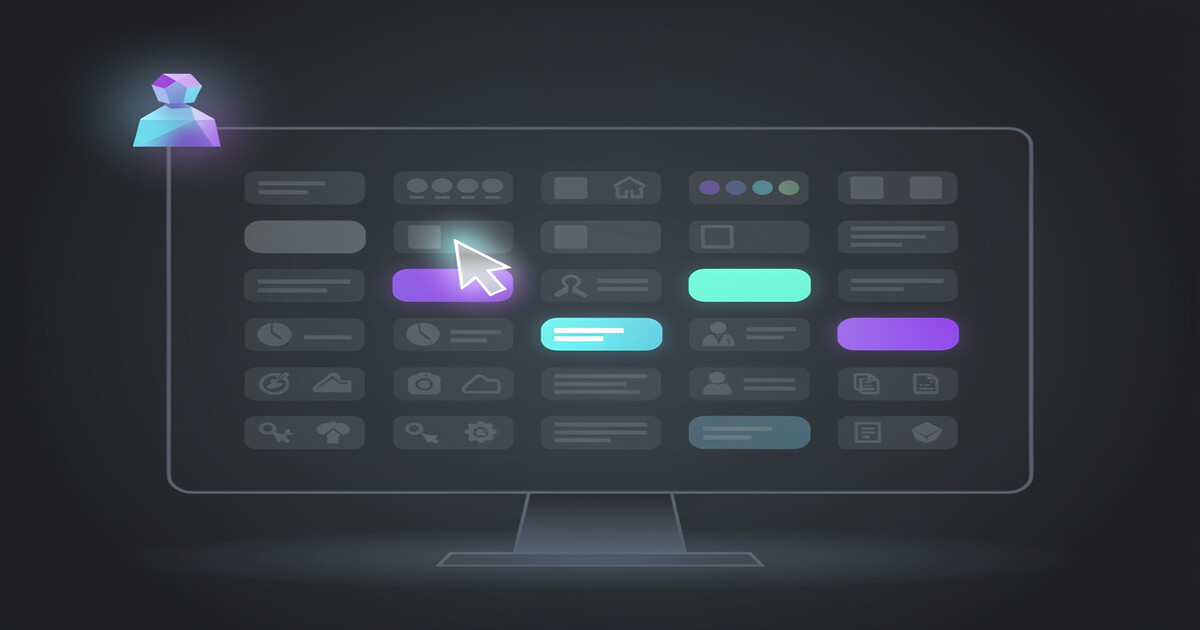
Smaller frozen-backbone models with task-specific heads are winning against giants in visual GUI automation.